Blog
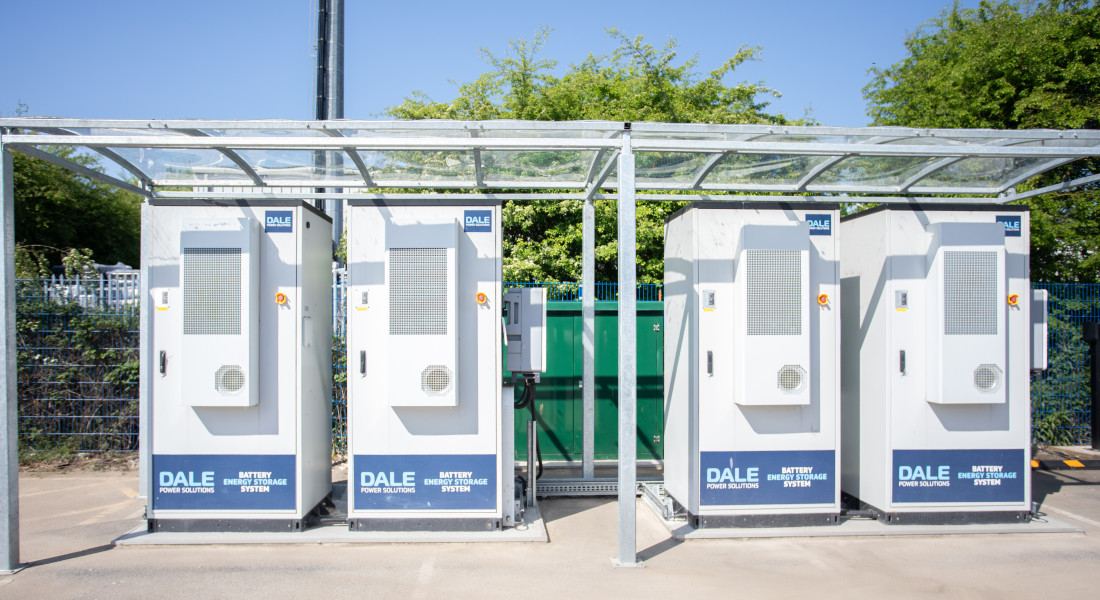
Many UK businesses have heard about the benefits of battery energy storage systems (BESS). In simple terms, BESS stores electricity so your site can use it later – potentially improving cost, efficiency and overall return on investment. With worldwide BESS installations up by 32% in 2026, demand is higher than ever.
But is BESS right for your business? The answer really depends on your site. For instance, it can be a good option if you have high energy use or demand spikes. It can also help push towards renewable energy and site expansion.
However, BESS might be less suitable if your energy use is low. And if your demand is steady or you do not yet have enough data to model the return, it could be too early to invest. To help you make the right choice for your site, we’ll see when BESS is a good choice and what to check before you commit.
You’ll usually see the biggest benefits of BESS if your site has an obvious energy problem. That could be financial, operational, environmental…or a mix of different issues. If any of the following sound familiar, BESS may be a good solution.
Lots of businesses use more electricity during the working day. If your site can store power when it is cheaper, or when renewable generation is available, you may be able to use that stored energy during more expensive periods. This is often called load shifting.
Using BESS this way, you may be able to reduce reliance on peak-time grid electricity and make your energy use more flexible.
Some sites have short bursts of high demand. This might happen during production, for example. You might also see spikes because of charging, heating, cooling or when several large loads run at once.
BESS can help through peak shaving. This means your battery discharges during demand spikes, reducing the amount of power drawn from the grid at that moment. It’s a good way to manage high demand and reduce pressure on your energy supply.
Grid capacity is becoming a bigger issue each year. If you want to expand, your existing connection may not give you enough flexibility. But unfortunately, upgrading a grid connection is not always quick or simple.
In some cases, BESS can help you make better use of the capacity you already have. For example, a battery can charge when site demand is lower, then discharge when demand increases. This can reduce strain on your grid connection and support growth without immediately increasing import capacity.
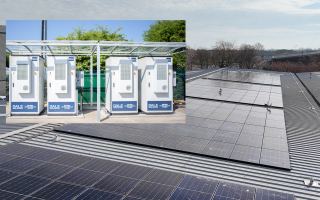
BESS works well with solar PV or other renewable generation. Without storage, surplus solar power may be exported when your site can’t use it. With battery storage, more of that energy can be kept on site and used later.
Over time, this can improve the value of your renewable generation and reduce the amount of electricity you buy from the grid. This can be especially beneficial for businesses working towards sustainability and net zero goals.
We’ve explored some of the major challenges BESS can help you address. But at a glance, BESS may be worth exploring if your site has one or more of the following:
High electricity use
Variable demand
High use of peak-time energy
Solar PV or planned renewables
EV charging plans
Site expansion plans
Limited grid capacity
A need for better resilience.
Many companies see these issues – and BESS can be helpful in improving things. However, the best applications for BESS installation are usually in the following areas:
Manufacturing sites
Data centres
Utilities and telecoms
Healthcare
Commercial buildings.
However, your actual energy use and applications will highlight whether BESS will be helpful, rather than your sector alone.
It’s important to say that BESS isn’t right for every site. It could be less suitable if your energy use is low, for example. If your demand is very steady or there is little difference between peak and off-peak electricity costs, it also might be harder to justify the cost.
There are also practical considerations. A well-designed BESS needs the right location, controls, maintenance access and site integration. This is why factors such as available space and planning considerations should also be checked before committing.
At Dale Power Solutions, we help businesses assess whether BESS is right for their site. Our expert team can support you with design, installation, commissioning and maintenance.
Deciding if BESS is right for your business starts with understanding your energy use, load profile and what you want the system to achieve. This includes looking at how BESS would work alongside renewable sources or wider critical power infrastructure. Contact us to learn more about the benefits BESS could offer for your site.
The main risks of BESS come from poor planning or unclear expectations. Fundamentally, a BESS should be designed around your load profile, site conditions and commercial goals. You should also consider installation and maintenance requirements before committing.
The lifespan of a BESS depends on many different factors. This can include:
Battery construction
Operating conditions
Charge and discharge cycles
Quality and regularity of maintenance
Temperature control
…and many others. It’s also worth understanding how performance may change over time, and whether the system will continue to support your applications as it ages.
Yes, BESS works well with solar PV by storing excess energy generated during the day. Your site can then use it later. This can help you use more renewable power on site, reduce reliance on grid electricity and improve the value of your investment.