A smarter approach to resilient, sustainable power for water and wastewater treatment sites.
The UK water sector is in the AMP8 regulatory period with an increased focus on resilience, environmental performance and operational efficiency. As water companies invest in modernising infrastructure, reliable power has become more critical than ever.
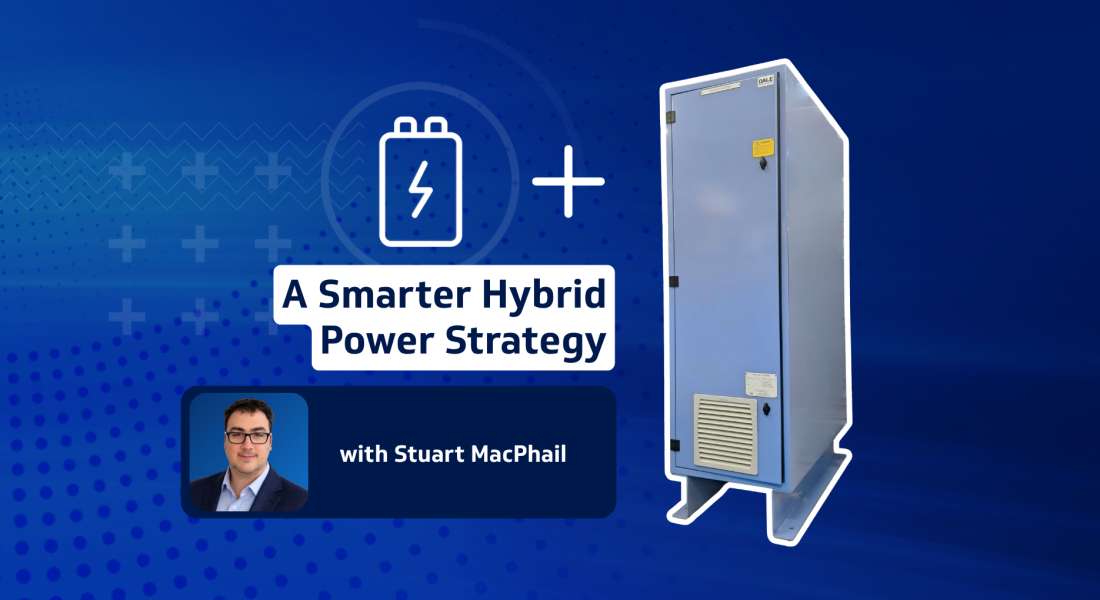
To help address these challenges, Dale Power Solutions has developed an innovative hybrid power solution that combines Uninterruptible Power Supply (UPS) and Battery Energy Storage System (BESS) technologies into a seamless backup power solution.
Designed specifically for water and wastewater treatment sites, the hybrid system provides continuous power quality, uninterrupted backup power during mains failures, and intelligent energy storage to support sustainability and reduce energy costs.
The table below summarises the key features and benefits of Dale's hybrid UPS and BESS solution for the water sector.
Feature | Benefit |
Zero-break power transfer | No interruption during mains failure |
UPS + BESS technology | Combines power conditioning with energy storage |
IP54-rated UPS enclosure | Designed for harsh water industry environments |
Power quality improvement | Protects sensitive equipment from voltage disturbances |
Intelligent energy storage | Supports renewable integration and load shifting |
Backup duration | Several hours depending on site requirements |
Target applications | Water treatment works, wastewater treatment plants and pumping stations |
Power interruptions at water and wastewater treatment sites affect far more than electrical equipment.
A loss of mains supply can stop critical treatment processes, interrupt customer water supplies and require control systems to be restarted and reconfigured before operations resume. At wastewater treatment facilities, prolonged outages can also increase the risk of environmental pollution incidents, regulatory penalties and reputational damage.
Dale Power Solutions is already supporting water utilities with resilient critical power infrastructure. On a recent water treatment project, we designed and supplied a tailored UPS solution using our HE Series, comprising three 80kVA and one 120kVA UPS systems, providing up to 6 minutes of battery autonomy at full load to maintain continuous operation during mains interruptions.
Building on this expertise, Dale has also secured a new Battery Energy Storage System (BESS) project for a water sector pumping station. The 60kW / 200kWh solution will provide secure backup power while enabling intelligent energy management, helping the customer manage an annual electricity consumption of more than 29,000kWh.
While these projects demonstrate the value of UPS and BESS technologies individually, combining them into a single hybrid solution enables water utilities to benefit from both seamless power protection and intelligent energy management within one integrated system.
To discuss these challenges and the thinking behind Dale's new hybrid solution, we spoke with Stuart McPhail, Head of Commercial UPS at Dale Power Solutions.
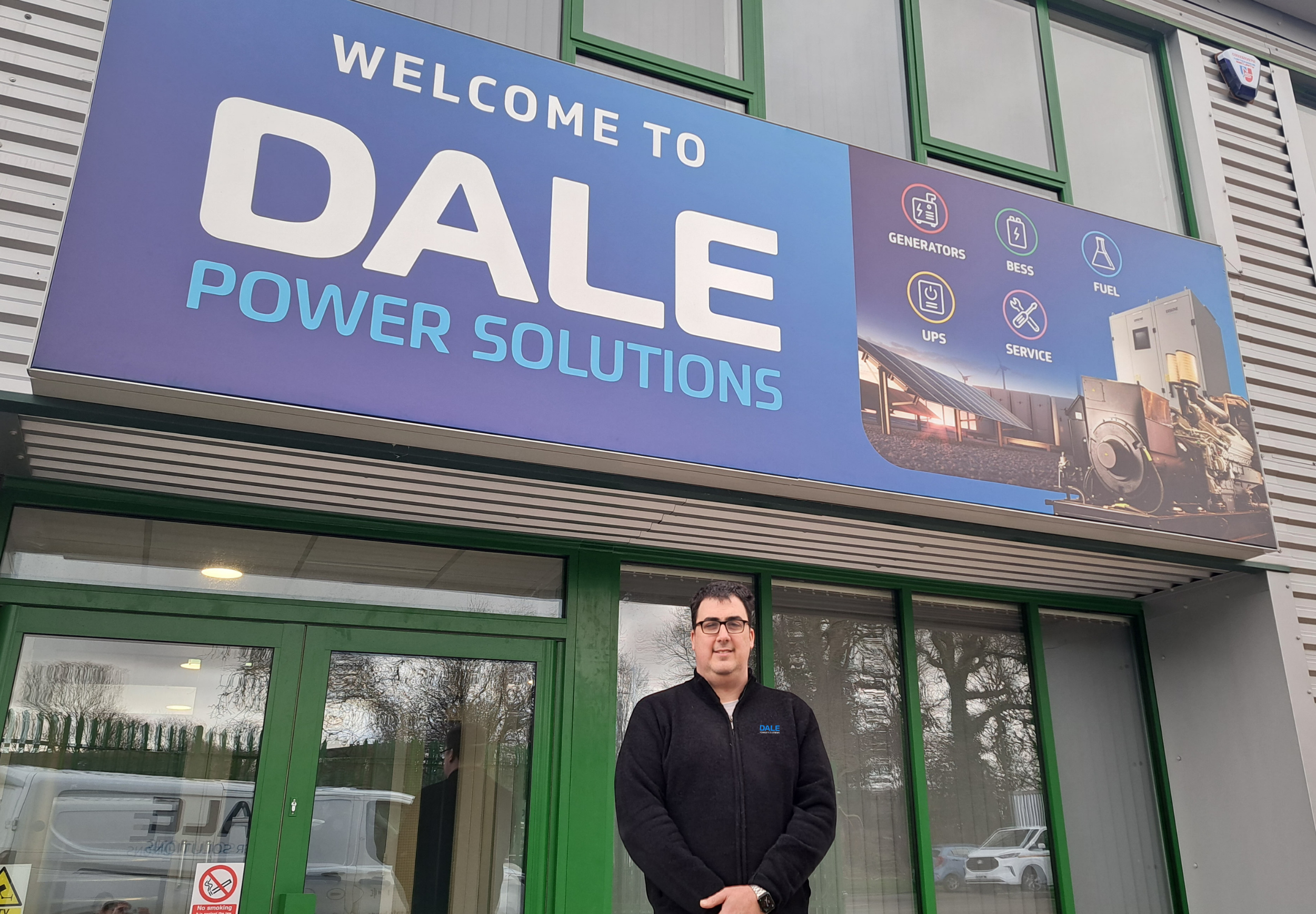 Q&A with Stuart McPhail
Power failure can have a catastrophic impact on water and wastewater operations. As well as delays restoring clean water supplies and the inconvenience this causes customers, there is a serious risk of pollution events at wastewater treatment plants if critical processes lose power. That can lead to environmental harm, regulatory fines and significant reputational damage.
Our hybrid solution combines UPS and Battery Energy Storage System (BESS) technologies to provide seamless backup power while also improving power stability and quality during normal operation. The UPS protects against power disturbances and bridges any interruption, while the BESS provides longer-duration backup power and additional energy management benefits. Together, they deliver a resilient business continuity solution that helps water utilities protect critical infrastructure, improve operational resilience and support their wider sustainability goals.
The UPS continuously conditions incoming mains electricity before it reaches critical equipment. This protects the site from voltage dips, surges, spikes and brownouts while delivering a constant, high-quality power supply.
During a mains failure, the UPS instantly bridges the interruption, so equipment remains operational without rebooting or resetting. For water treatment sites, this means control panels, drives and motors can continue operating without lengthy recovery procedures.
To withstand demanding environments, the UPS is housed within a purpose-built IP54-rated enclosure.
The Battery Energy Storage System stores electricity from both the grid and renewable sources before releasing it when required.
In normal operation, this allows water companies to:
Store renewable energy from solar PV and wind
Shift energy usage away from peak tariff periods
Reduce electricity costs
Lower carbon emissions
Improve overall site energy efficiency
If a mains failure occurs, the BESS assumes the electrical load soon after the UPS bridge, providing extended backup power while intelligently managing site loads.
Water companies face increasing pressure to improve resilience while reducing operational costs and carbon emissions.
By combining UPS and BESS technologies, Dale's hybrid solution helps support several AMP8 priorities, including:
Improved operational resilience
Enhanced environmental performance
Better energy efficiency
Reduced carbon emissions
Improved business continuity
Increased network reliability
Dale Power Solutions has supported the UK water industry for decades, delivering resilient backup power systems and critical power infrastructure for essential services.
If you'd like to discuss how a hybrid UPS and BESS solution could support your site, contact our team or explore our latest Water Utilities projects and articles.
An Uninterruptible Power Supply (UPS) provides instantaneous backup power while improving power quality by protecting equipment from voltage fluctuations and electrical disturbances.
A BESS stores electrical energy from the grid or renewable generation so it can be used later for backup power, peak shaving or load shifting.
A UPS delivers immediate, zero-break protection during power interruptions, while a BESS provides longer-duration backup power and energy management capabilities. Together they deliver greater resilience and efficiency than either technology alone.
The hybrid solution is suitable for clean water treatment works, wastewater treatment plants, pumping stations and other critical infrastructure requiring uninterrupted power.