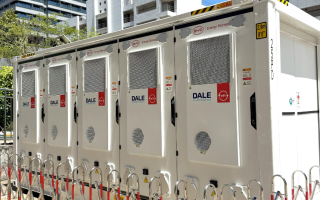
288kW / 1002kWh Battery Storage Project Reaches Key Milestone with Successful FAT Completion
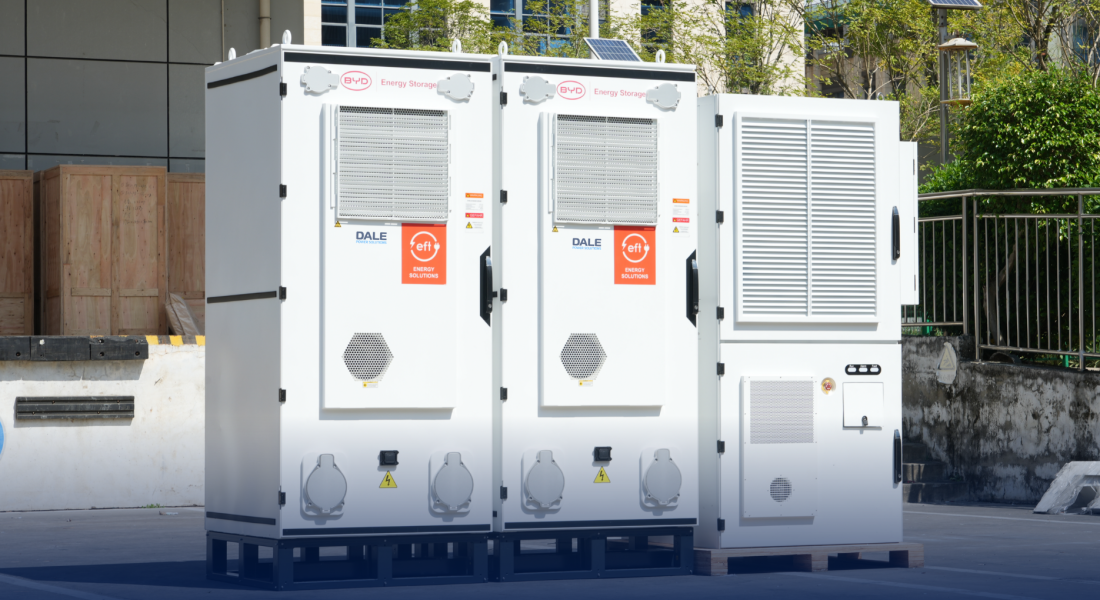
One of our ongoing battery storage projects for a manufacturing facility has reached a key milestone, with the 288kW / 1002kWh Battery Energy Storage System (BESS) successfully passing Factory Acceptance Testing (FAT).
This stage of the project is critical in validating system performance, functionality, and quality before delivery, ensuring the solution meets the required specifications ahead of installation. The successful FAT reflects strong project progress and brings the system one step closer to commissioning on site.
This project forms part of a wider site expansion for a manufacturing facility in Teesside, where production capability and electricity demand are set to double. As energy consumption grows, maintaining efficiency and controlling costs becomes increasingly important. The BESS has been engineered to support this transition, enabling the site to scale operations while maintaining a stable and reliable power supply.
The 288kW / 1002kWh BESS, a BYD battery system supplied through EFT (Energy for Tomorrow), has been engineered by Dale Power Solutions to the customer’s unique requirements. This tailored solution was designed through close collaboration between our engineers and the facility’s construction partners. Lead BESS Engineer, Hannah Magowan, completed detailed system modelling to ensure the design supports the expansion and scalability of the site. Once operational, it will help reduce energy bills by approximately 40%, with a return on investment forecast within 3–4 years.
The system will operate alongside 180kWp of on-site solar PV, allowing the facility to maximise its use of renewable energy. While a large proportion of solar generation will be consumed directly by operations, any excess energy can be stored within the BESS for use during periods of higher demand. This enables the site to consume 100% of its generation capacity while improving overall energy efficiency.
For manufacturers, this combination of solar and storage is particularly valuable. Energy-intensive processes, such as production and testing, can place significant strain on electrical infrastructure. By integrating battery storage, the site can stabilise its load profile, avoid peak demand penalties, and better manage fluctuations in energy usage. This case study demonstrates how our on-site BESS at Dale Power Solutions prevented grid overload during high-demand testing.
In addition to supporting expansion, the system is designed to deliver long-term commercial benefits. By storing energy during off-peak periods and discharging during peak demand, the facility can take advantage of variable energy tariffs and reduce exposure to rising energy costs. The project is expected to deliver significant cost savings while improving overall energy resilience.
Battery storage also provides greater independence from the grid, helping sites to operate more efficiently within existing connection limits. This is particularly important as many UK businesses face constraints in grid capacity, which can otherwise limit growth and electrification.
With Factory Acceptance Testing now complete, the project will progress to delivery, installation, and commissioning. Once operational, the system will play a key role in supporting the facility’s expansion, enabling greater use of on-site renewable energy and providing a scalable solution for future growth.
This project highlights how battery energy storage can support manufacturers in balancing increased demand with sustainability goals, delivering both operational and environmental benefits as part of the transition to Net Zero.
Find out more about our battery storage solutions, or contact us regarding your free feasibility study.