Blog
Ensuring compliance with Water Industry Mechanical and Electrical Specifications (WIMES) is essential for any organisation operating within the UK water sector.
These standards define the requirements for a wide range of mechanical and electrical equipment, including uninterruptible power supplies (UPS) and generator systems, to ensure consistent quality, reliability, and efficiency across the industry.
At Dale Power Solutions, we’ve equipped to support UK water companies with power generation and protection systems designed to meet the highest WIMES standards. This article explains what WIMES is, how its datasheets and specifications work, and why compliance matters when choosing a power solution.
WIMES, short for Water Industry Mechanical and Electrical Specifications, is a collaborative initiative developed by the Pump Centre in partnership with all major UK water companies. The goal of WIMES is to provide standardised, unambiguous specifications for mechanical and electrical equipment across the UK water industry.
This ensures equipment is:
Fit for purpose, delivering reliable long-term performance and value.
Cost-effective, offering the lowest whole-life cost without compromising on quality.
Fair and transparent, allowing manufacturers and suppliers to compete on equal terms.
The WIMES have been produced with the co-operation and approval of the following water companies:
Affinity Water | Northumbrian Water | United Utilities |
Anglian Water | Scottish Water | Veolia Water |
Bristol Water | Severn Trent Water | Welsh Water |
Cambridge Water Company | South East Water | Wessex Water |
Irish Water | South West Water | Yorkshire Water |
Northern Ireland Water | Thames Water |
WIMES ensures that every system, from pumps and control panels to generators and UPS systems, meet consistent safety, performance, and operational standards.
The WIMES library currently includes over 70 specifications, covering mechanical and electrical systems across nine core areas:
Pumps
Process Treatment
Electrical
Paints & Coatings
Screens
Screenings Handling
Sludge Treatment
Miscellaneous Equipment
CHP Installations
Each specification is supported by datasheets and Life Cycle Cost (LCC) models that guide engineers and asset managers in selecting, installing, and maintaining compliant equipment.
For example, within the Electrical category (WIMES 3.0), there are 14 associated datasheets covering key components such as:
3.01: Low Voltage Switchgear and Controlgear Assemblies
3.03: LV 3-Phase AC TEFC Motors
3.06: Diesel Powered Generator Sets and Installations
3.07: Uninterruptible Power Supplies (UPS)
3.10: MV Distribution Switchgear Assemblies (1–22 kV)
3.13: MV Electrical Installations (1–22 kV)
These datasheets outline critical technical parameters, environmental considerations, and testing requirements to ensure that all equipment meets industry expectations for efficiency, safety, and reliability.
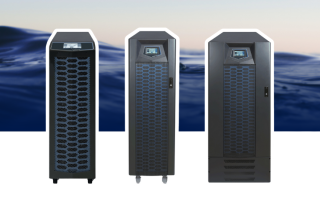
For power protection applications, WIMES 3.07 sets the benchmark. This specification covers everything from input and output characteristics to battery performance, status indicators, and acoustic limits. It ensures that all UPS systems installed within water industry environments operate safely and effectively, even under challenging conditions.
By following WIMES 3.07, organisations can ensure their UPS systems deliver:
Stable and reliable power during mains interruptions.
Compliance with water industry electrical standards.
Optimised system performance and equipment longevity.
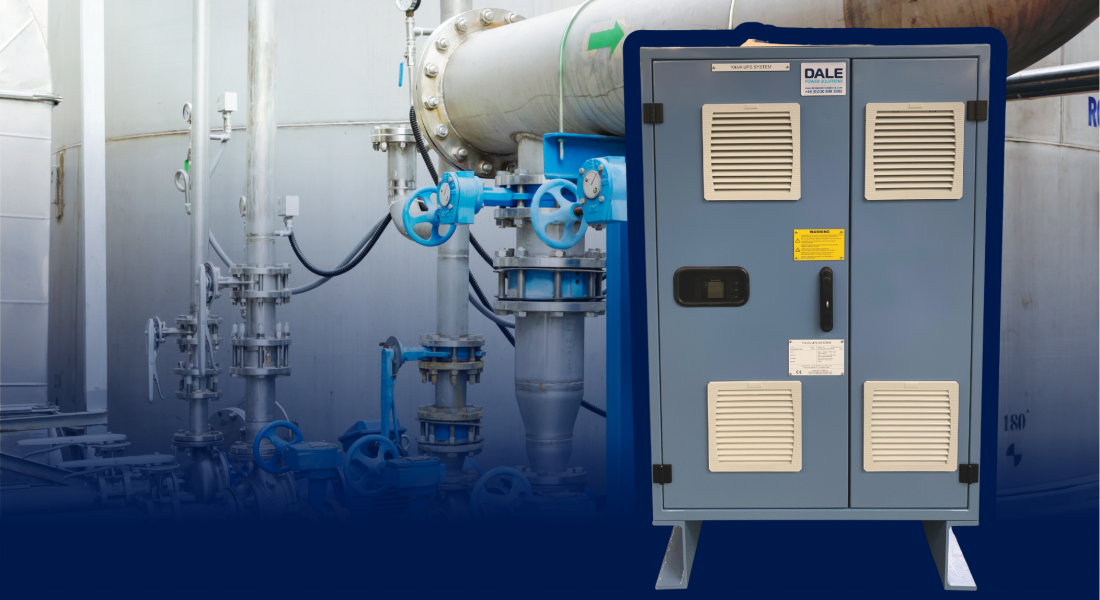
At Dale Power Solutions, our UPS systems are designed and maintained to meet or exceed WIMES 3.07 standards, giving our clients complete confidence in their backup power resilience.
Compliance with WIMES isn’t just a box-ticking exercise, it’s about operational assurance. WIMES-compliant systems help protect critical assets from electrical faults or power disturbances, improve lifecycle efficiency and reduce maintenance costs, and ensure compatibility across multiple water industry sites and suppliers.
Whether you’re upgrading an existing site or commissioning a new facility, ensuring that your power generation and protection systems are fully compliant is crucial to maintaining uptime, safety, and performance.
Get in touch with our expert team today to make an enquiry.