Blog
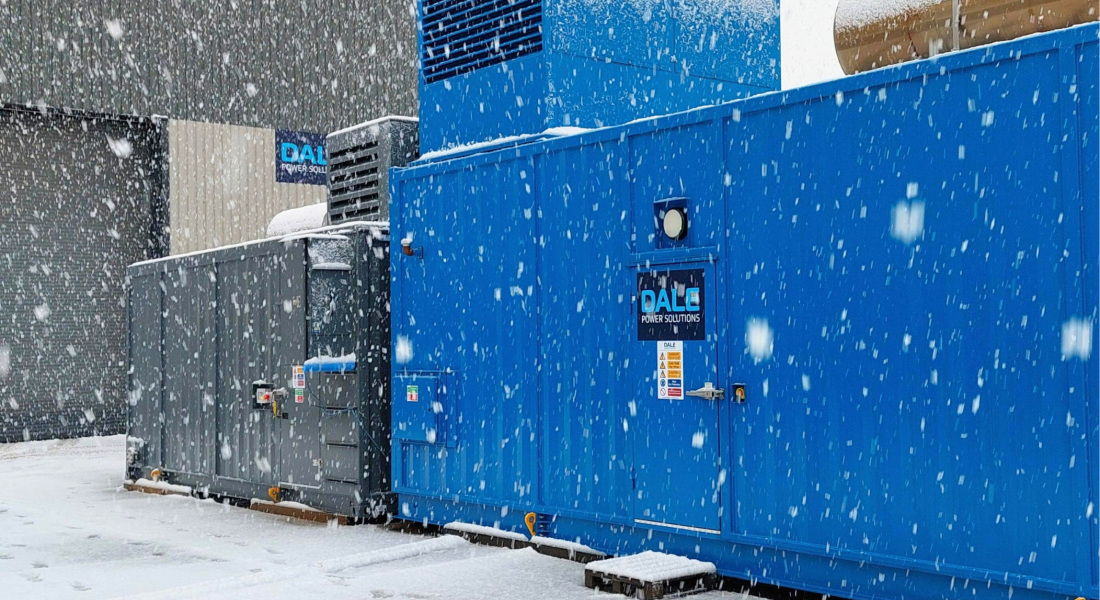
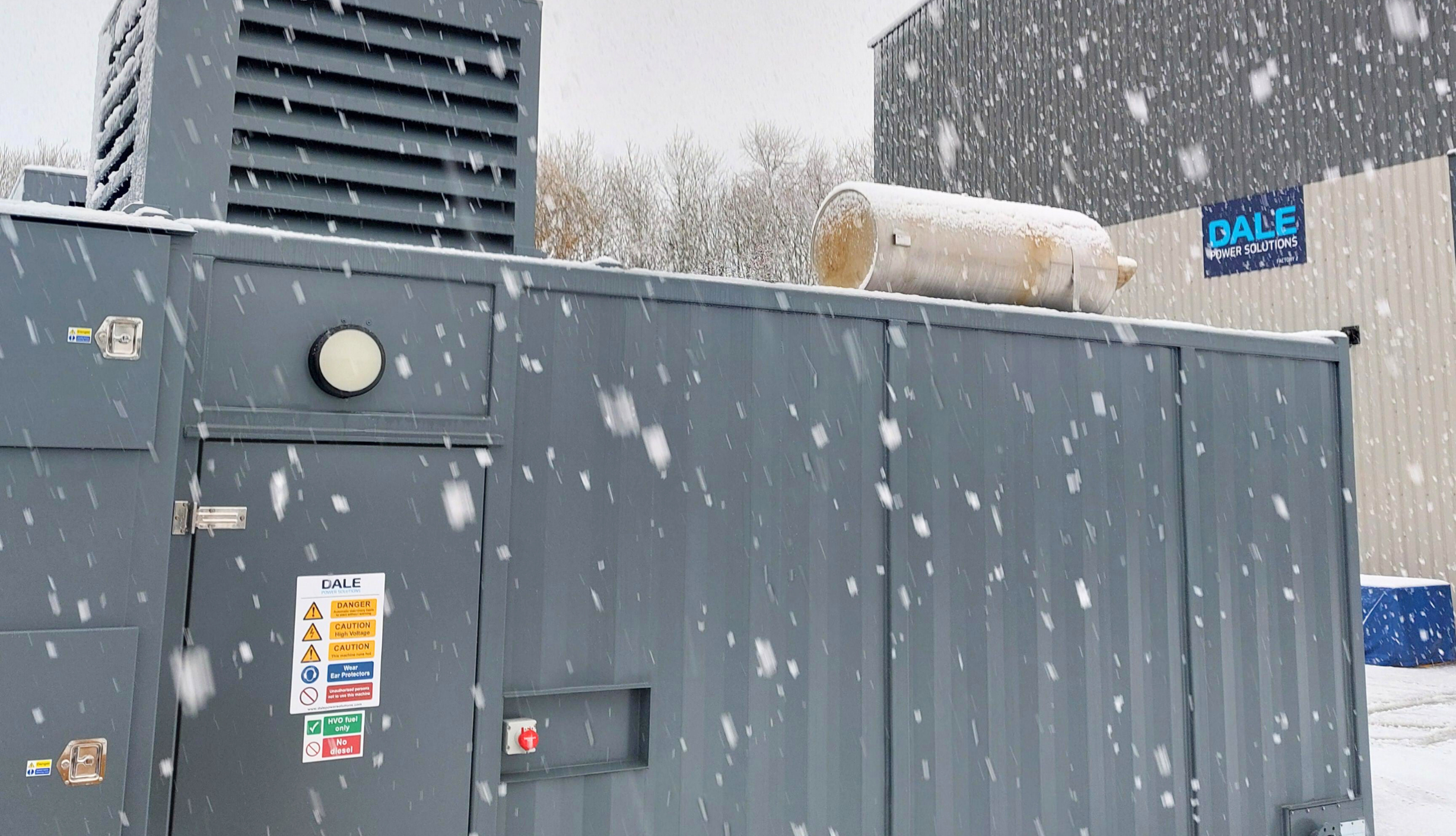
As winter approaches, freezing temperatures, high winds, and storm conditions can place significant strain on critical backup power infrastructure. At Dale Power Solutions, we design our systems to meet customers’ specific application requirements, and our service and maintenance teams ensure they remain resilient when conditions are at their harshest.
Below, we outline key considerations for safeguarding generators, fuel systems, uninterruptible power supply (UPS) units, and battery energy storage systems (BESS) throughout the winter months.
The generator starter battery powers the engine start-up process and supports critical electronic components. Cold temperatures reduce a battery’s ability to hold charge and deliver cranking power, increasing the risk of non-start events during an outage.
Antifreeze regulates engine temperatures in both hot and cold conditions. In winter, it prevents the coolant from freezing and expanding, avoiding potentially severe damage to the engine block or water tank. It also enables the engine to stay cool during operation.
 Winter Generator Solutions
During winter service checks, our engineers test
Generator battery health, voltage, and terminal condition
Antifreeze strength
Coolant system integrity
These checks ensure your generator is fully prepared for winter operation and capable of starting reliably in low temperatures.
Diesel can thicken in low temperatures due to its paraffin content. As the fuel cools, paraffin wax crystals begin to form, visible cloudiness and gelling can appear from around –9°C. As gelling progresses, the fuel becomes too thick to flow, ultimately causing engine failure.
Winter-grade diesel: Contains less paraffin and is formulated to perform in colder climates.
Anti-gel additives: Lower the freezing point of paraffin wax and improve overall cold-weather fuel stability.
Proper storage conditions: Using indoor tanks or heated facilities to prevent fuel cooling below its operability limits.
Our fuel services team can assess your fuel, make tailored recommendations, and optimise your diesel for winter reliability.
Like generator batteries, UPS batteries provide immediate power without reliance on the electrical grid, making them essential in the first moments of an outage. While systems are designed for their application environment, certain battery chemistries like lithium-ion, can be susceptible to damage if used or charged below 0°C.
Cold temperatures can cause metal contraction, and any existing corrosion or loose terminals can worsen during winter. This can compromise system performance and prevent the UPS from delivering power when needed.
If you are unsure whether your UPS is adequately protected against low temperatures, a UPS health check can provide assurance. Our engineers can also test and secure battery and electrical connections to ensure dependable operation throughout winter.
BESS installations must maintain controlled internal temperatures to protect battery health, maximise lifecycle performance, and ensure safe operation.
Weatherproof Enclosures: Proper sealing prevents moisture ingress, corrosion, and thermal loss.
Thermal Management: Insulation, heating elements, and controlled ventilation maintain consistent internal temperatures during cold spells.
Advanced System Monitoring: Tools that track thermal behaviour, state of health, and performance metrics enable early intervention if winter conditions cause deviations.
Our BESS engineers provide consultancy, routine maintenance, and onsite assessments to ensure your system remains fully protected and operating at peak efficiency.
Winter poses unique risks to all types of backup power infrastructure, but with proactive maintenance and expert guidance, these systems can remain resilient and performance ready.
If you would like support preparing your generators, fuel systems, UPS, or BESS for winter, our engineering and service teams are here to help.
Contact Dale Power Solutions to schedule a winter readiness check and safeguard your critical power today.