How Can Businesses Increase Site Power Capacity? The Role of Battery Energy Storage in Net-Zero Strategies
As businesses continue to electrify operations, expand facilities, introduce EV charging infrastructure, and integrate new technologies, many are finding that increasing energy demand can place pressure on existing site capacity.
At the same time, organisations across the UK are working towards ambitious sustainability targets. Whether driven by corporate ESG commitments, customer expectations, or regulatory requirements under Net Zero by 2050, reducing carbon emissions has become a strategic priority for many businesses.
During Net Zero Week, it is worth considering how these two challenges are increasingly linked.
How can organisations support growth, manage rising electricity demand, and progress towards net-zero without placing strain on existing infrastructure?
The transition to a low-carbon economy is changing the way businesses consume energy.
Electric vehicle charging infrastructure, electric heating systems, manufacturing electrification, and increasing digitalisation are all contributing to greater electricity demand. For many organisations, future growth depends on access to higher electrical capacities.
This shift is occurring alongside the UK's wider efforts to reduce greenhouse gas emissions and achieve Net Zero by 2050. Total UK net territorial greenhouse gas emissions are provisionally estimated to be 367 million tonnes of carbon dioxide equivalent (MtCO₂e) in 2025, a decrease of 2% from 2024 and 54% from 1990 levels. While this reflects progress in decarbonisation, emissions in the industry sector fell by 12%, largely due to blast furnace closures in the iron and steel industry, alongside reduced gas consumption across industries. Emissions from electricity generation fell by 1% following the closure of the UK's last coal-fired power station, at Ratcliffe-on-Soar in September 2024, reflecting the UK's ongoing transition towards lower-carbon electricity generation.
Although a cleaner electricity grid can help lower operational emissions, increased reliance on electricity also places a greater demand on site infrastructure. As a result, businesses are increasingly looking for ways to optimise how and when they use electricity while supporting both operational growth and sustainability objectives.
However, increasing a site's power capacity is not always straightforward. Expanding a grid connection can be a lengthy and costly process, particularly where network capacity is limited or significant infrastructure upgrades are required.
As a result, businesses are increasingly looking for ways to maximise the value of their existing electrical infrastructure.
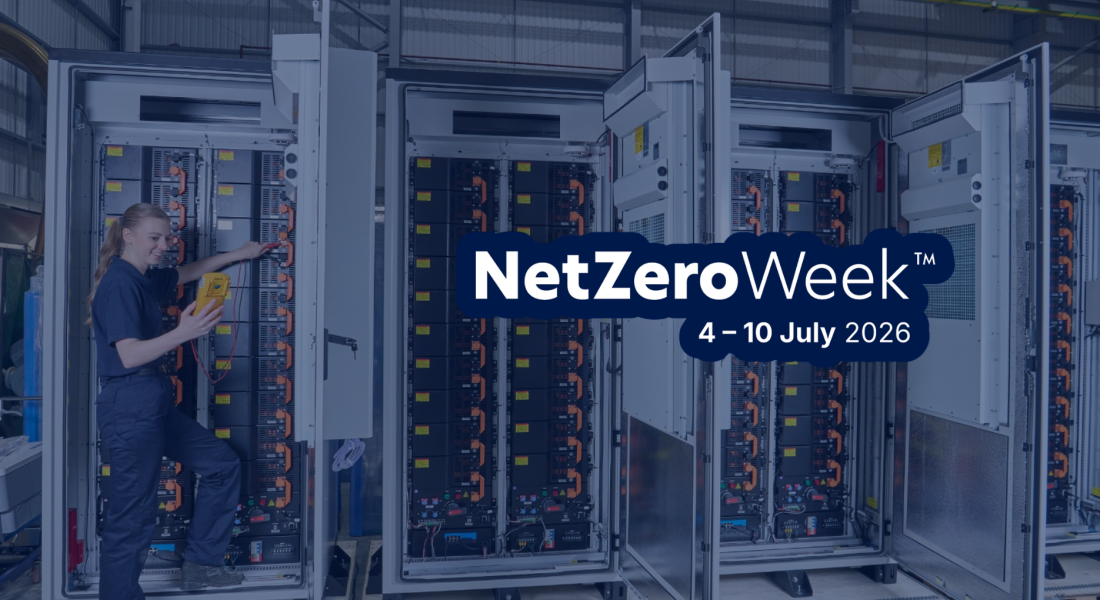
Battery Energy Storage Systems (BESS) provide a way to store electrical energy for use when it is most valuable.
Rather than drawing large amounts of electricity from the grid during peak periods, energy can be stored and discharged when demand increases. This enables organisations to manage their electricity consumption more effectively while reducing pressure on their site connection.
For businesses seeking to increase operational flexibility, battery storage can help:
Maximise the use of existing electrical capacity
Reduce demand for peak energy from the grid, which is more carbon-intensive
Support the integration of renewable energy systems
Optimise energy consumption patterns
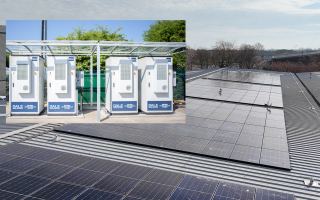
A practical example is Dale Power Solutions' headquarters in Scarborough. By installing a 100 kW / 400 kWh BESS alongside 113 kWp of solar PV array, the site has saved an estimated 27.3 tonnes of Scope 2 CO₂ emissions in its first year of operating the systems together. The infrastructure also supports four 22 kW EV charging points, helping to charge 48 plug-in hybrid electric vehicles (PHEV), two-thirds of Dale's service fleet.
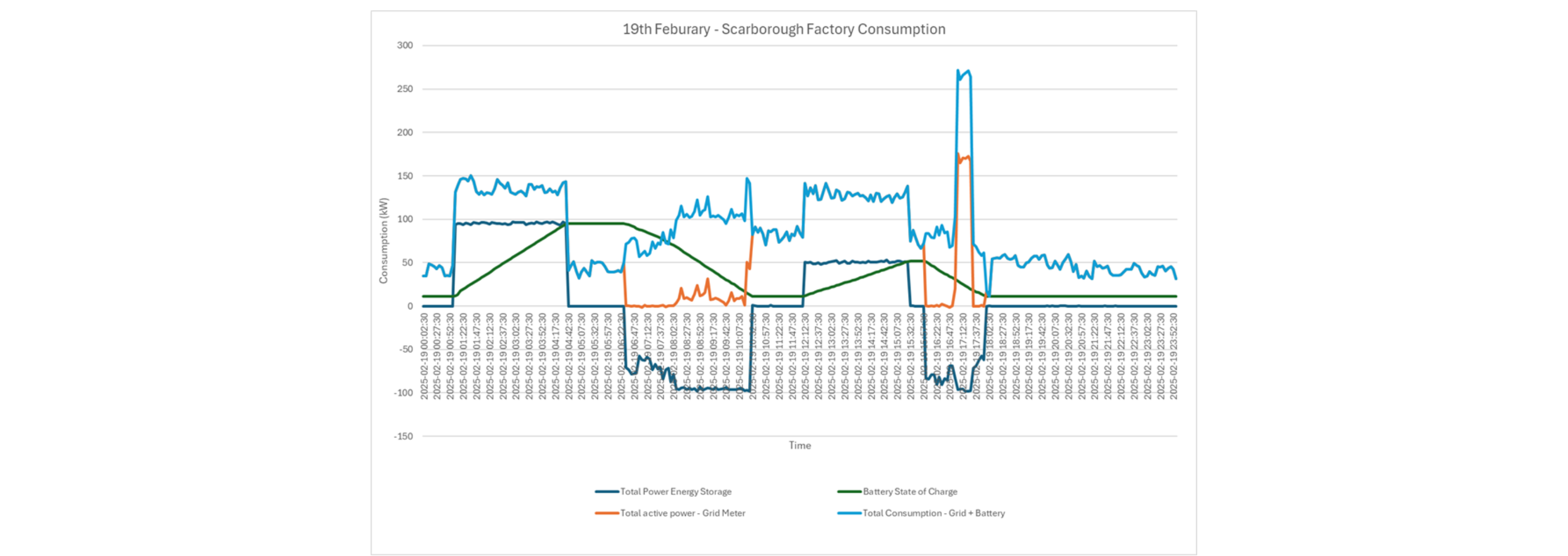
The system has also demonstrated its ability to support site capacity during periods of unusually high demand. During equipment testing, electricity consumption temporarily increased to 266 kW, exceeding the site's 192 kW grid connection limit by 74 kW. Rather than drawing additional power from the grid, the BESS supplied 95 kW, reducing grid import to 171 kW and enabling testing to continue without exceeding the site's available grid capacity.
 While every site is different, battery storage is increasingly becoming an important tool within a broader energy management strategy.
One of the most significant advantages of battery storage is its ability to support carbon reduction efforts.
The carbon intensity of the UK electricity grid varies throughout the day and night, depending on the generation mix supplying the network. When renewable generation is high, such as during periods of strong wind or solar output, grid carbon intensity is generally lower. At other times, when fossil fuel generation contributes a larger proportion of electricity, carbon intensity increases.
Battery storage allows organisations to take advantage of these variations. Energy can be stored when carbon intensity is lower, such as at night-time, and used later when site demand is higher. This enables businesses to make more effective use of lower-carbon electricity.
For organisations with on-site solar PV or other renewable generation, battery storage can significantly enhance the value of those assets.
Without storage, surplus renewable energy may be exported to the grid when generation exceeds site demand. By integrating battery storage, excess energy can be captured and used later when required.
This can increase self-consumption of renewable electricity, reduce imported energy costs, and further support carbon reduction objectives.
In some applications, combining battery storage with existing renewable generation can significantly shorten payback periods, and improve return on investment. For example, a recent project in the food production sector has been modelled with a three-year payback period. The system will integrate with an existing 3MWp solar PV installation and a 500kVA wind turbine, allowing stored renewable energy to be used overnight at a 24/7 production facility. As a result, renewable generation is expected to supply approximately 76% of the site's total energy requirements.
Battery storage is not intended to replace every other energy solution.
Instead, it can work alongside existing technologies such as generators, UPS systems, and renewable energy assets to create a more resilient and flexible energy infrastructure.
UPS systems continue to provide nearly instantaneous power protection for critical loads. Generators remain an important source of backup power during extended outages. Battery storage complements these technologies by optimising energy usage, supporting renewables, and helping organisations manage demand more effectively.
When integrated correctly, these technologies can help businesses improve resilience, reduce operational costs, and support long-term sustainability objectives.
As the UK continues its transition towards a low-carbon future, organisations face the challenge of balancing increasing electricity demand with ambitious net-zero commitments.
Battery Energy Storage Systems offer a practical way to address both objectives. By enabling smarter energy management, supporting renewable integration, and helping businesses maximise the value of existing infrastructure, battery storage is becoming an increasingly important component of modern energy strategies.
During Net Zero Week, organisations evaluating their future energy requirements should consider not only how much power they need, but how effectively that power is managed.
Contact us to find how a BESS can reduce costs, support your net-zero goals, and maximise available site capacity.
Can battery storage reduce the need for grid upgrades?
In some applications, battery storage can help businesses manage peak demand and make better use of their existing electrical infrastructure. This may reduce or delay the need for grid upgrades, depending on site requirements and energy usage patterns.
Does battery storage help reduce carbon emissions?
Battery storage can support carbon reduction by enabling organisations to store and use electricity when grid carbon intensity is lower. It can also maximise the use of on-site renewable energy generation, reducing reliance on grid-supplied electricity.
Is battery storage suitable for businesses without solar panels?
Yes. While battery storage works well alongside solar PV, organisations can still benefit from load shifting, peak shaving, energy cost optimisation, and improved resilience even without on-site renewable generation.
How is the payback period for battery storage calculated?
Payback periods vary depending on energy consumption patterns, electricity tariffs, operational requirements, and whether renewable energy systems are present on site. Dale provides a detailed analysis of half-hourly energy data and tariff information to determine the potential return on investment of all of our BESS projects.