Choosing the Right Generator for Your Site: Power, Space and Application Requirements
Podcast
Every site has different power requirements, which is why selecting the right generator is not a one-size-fits-all process. From residential buildings and commercial premises to hospitals, industrial facilities and large-scale infrastructure, generator specifications can vary significantly depending on the application, available space, operating requirements and future site plans.
At Dale Power Solutions, we supply generator systems designed to meet a wide range of customer needs, from standard canopied sets to bespoke containerised solutions, ensuring each system is suitable for its environment, power demand, and long-term resilience requirements.
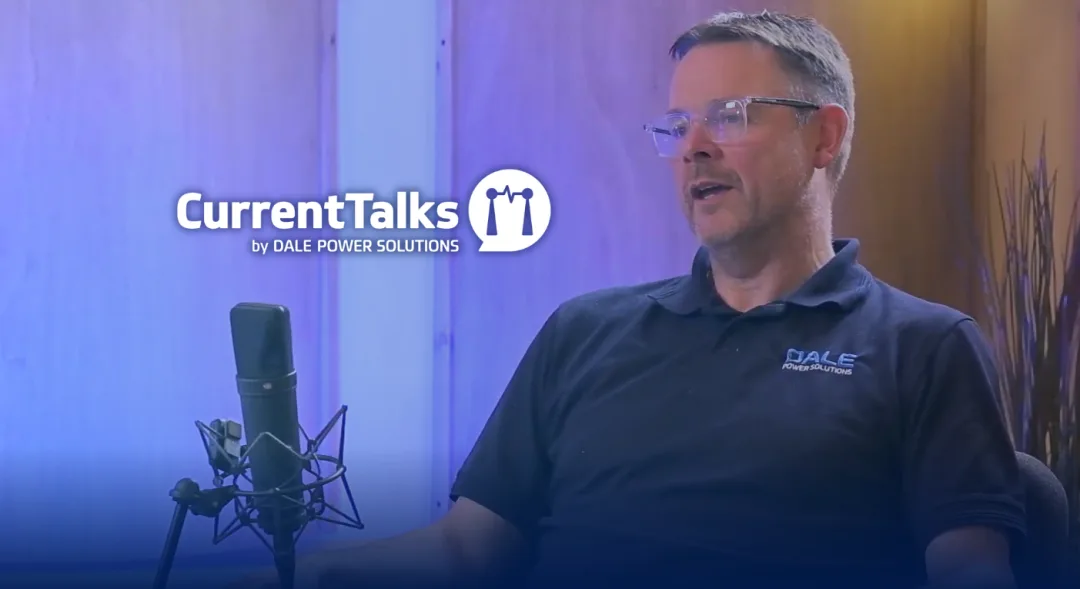
In the video below, Andy Towse, Generator Quotes Manager at Dale Power Solutions, explains the different generator options available and the key considerations involved in specifying the right solution for each site.
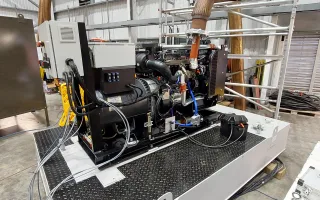
At Dale Power Solutions, generator systems can be supplied in a range of configurations depending on the customer’s site, application and operational needs. This includes canopied generators, containerised generators, open sets and plant room installations.
Each option has its own advantages depending on where the generator will be installed and how it will be used. For example, a containerised generator is more suitable for external installations where weather protection and noise reduction are required, while an open set generator is more suited to being housed within an existing building.
Available space is a key factor in generator specification. Larger generators require more room not only for the equipment itself, but also for fuel systems, maintenance access, airflow and safe operation. Adequate ventilation is particularly important, as bigger power requirements typically mean larger machines, increased heat output and greater airflow demands.
For some sites, space constraints may influence whether a generator is supplied as a canopied set, housed within a container, installed as an open set, or integrated into a plant room. Dale works with customers to assess the practical requirements of each installation, ensuring the selected generator can operate safely and effectively within the available environment.
Noise is another important consideration, particularly when generators are located close to hospitals, office buildings, residential areas or other noise-sensitive environments. In these situations, the generator specification needs to account for acoustic performance, positioning and enclosure type.
For example, a generator installed near a hospital or office building may require additional noise reduction measures to minimise disruption to staff, patients, visitors or nearby occupants. By considering noise requirements early in the design and specification process, Dale can help ensure the final solution is appropriate for both the operational needs of the site and the surrounding environment.
Dale Power Solutions supplies generators for a wide variety of applications, with requirements ranging from smaller standby power systems to larger, synchronised generator installations. Whether the requirement is for a residential building, commercial site, healthcare environment, industrial facility or larger infrastructure project, the right generator solution depends on understanding the full operational context.
This includes assessing the required power output, available space, installation environment, noise limitations, fuel requirements, airflow needs and future site plans. By bringing these considerations together, Dale can design and supply generator systems that are practical, reliable and tailored to the customer’s application.
The short video in this article is from Andy’s full CurrentTalks podcast episode on YouTube. In the episode, Andy discusses the benefits of hydrotreated vegetable oil (HVO) fuel, how Dale Power Solutions manages complex generator installations, and how hydrogen technology may shape the future generator market.
Watch the full episode on YouTube, or Contact Us to make an enquiry.
How do I determine the right generator size for my site?
The right generator size depends on your power requirements, application, and operational needs. Future expansion plans should also be considered to ensure the system can support long-term growth.
What is the difference between a canopied generator and a containerised generator?
Canopied generators provide a compact, weatherproof solution suitable for many outdoor installations. Containerised generators offer additional space for larger equipment, fuel systems, and enhanced acoustic treatment.
Why are noise levels important when specifying a generator?
Noise levels are an important consideration for sites located near hospitals, offices, residential areas, and other sensitive environments. Selecting the appropriate enclosure and acoustic measures can help minimise disruption while maintaining reliable power protection.